
The Pride of History
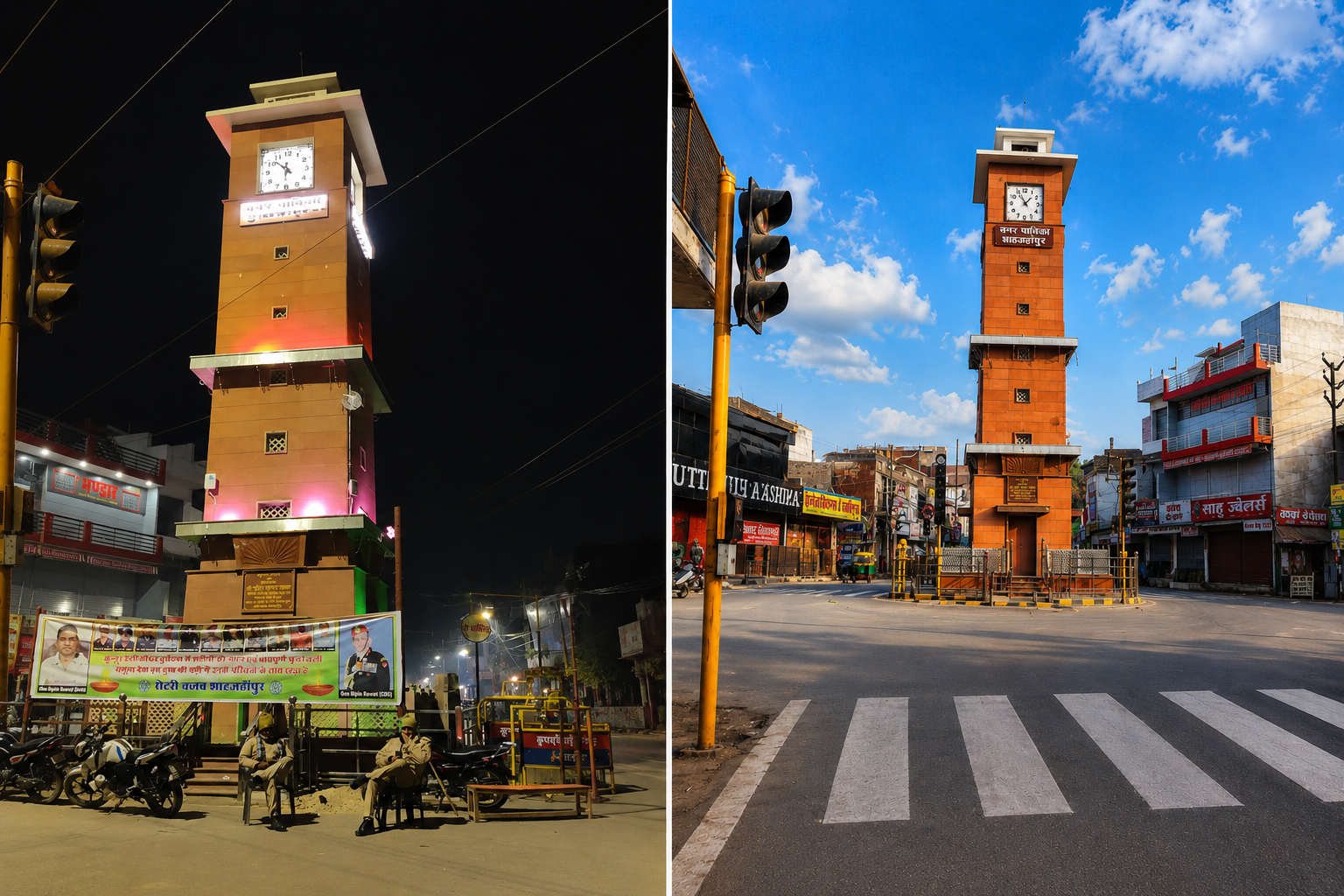
Historic Clock Towers
Shahjahanpur has a strong historical identity rooted in the Mughal era and India’s freedom movement. The city is remembered for its courageous revolutionaries, cultural richness, and traditional architecture that still stands proudly today.Ancient buildings, narrow heritage lanes, colonial-era structures, and historical monuments create a nostalgic atmosphere across the city.Sacred temples, ringing bells, saffron flags, and festive processions reflect the deep-rooted faith and cultural unity of the people.
Festivals of Faith and Culture
Cultural Festivals
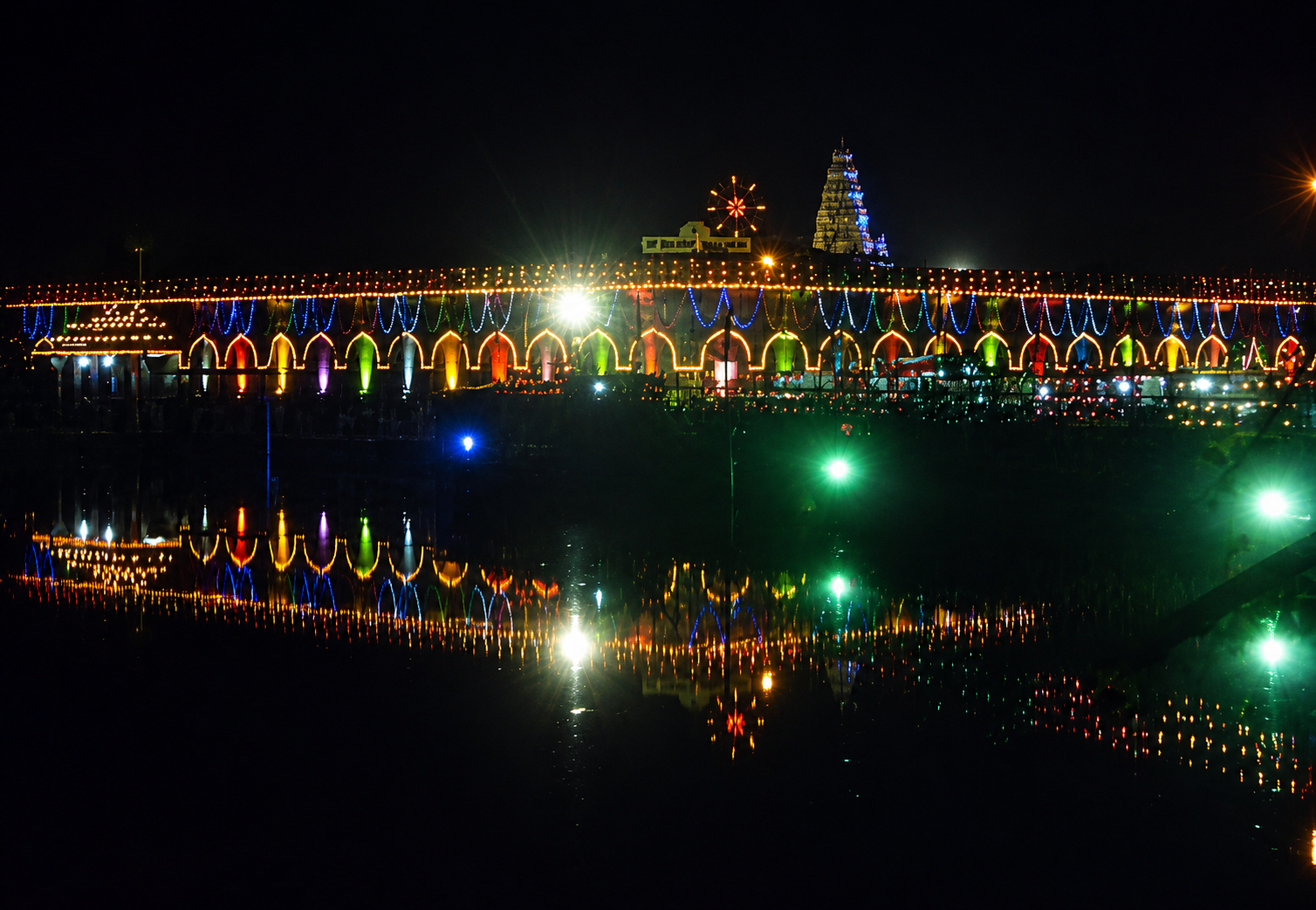
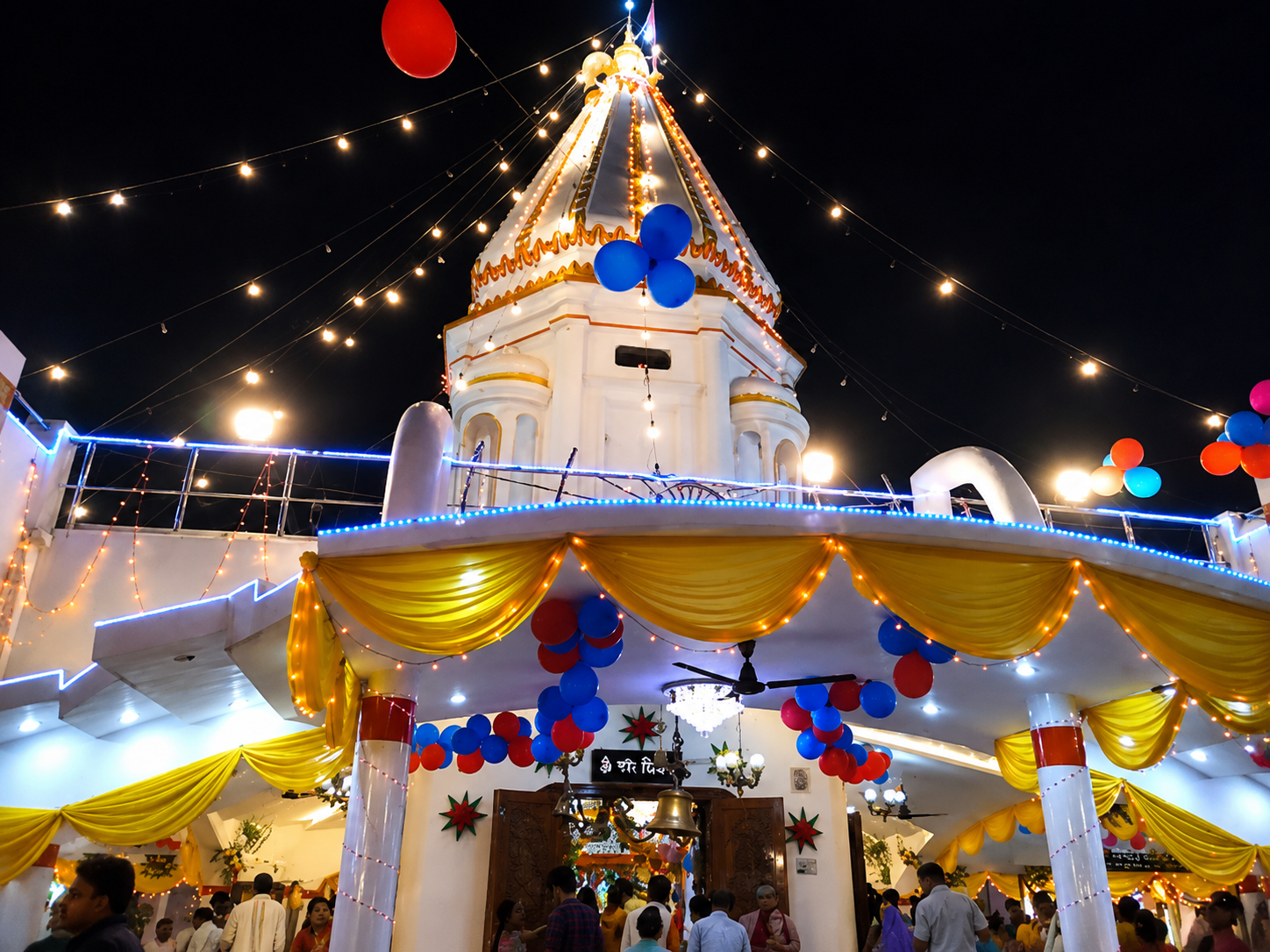
Festivals in Shahjahanpur are celebrated with extraordinary devotion, color, and grandeur. During Diwali, the city transforms into a glowing paradise filled with rows of sparkling diyas, decorative lights, fireworks, and vibrant rangolis adorning homes, temples, and marketplaces. The festive nights create a magical golden glow across the streets, symbolizing positivity, prosperity, and spiritual victory. Magnificent temples across the city serve as spiritual centers where devotees gather for daily prayers, bhajans, aartis, and sacred rituals. The sound of conch shells, devotional chants, and traditional bells creates a peaceful yet powerful atmosphere that resonates throughout the city. Many temples become beautifully illuminated during religious occasions, attracting thousands of devotees who come together with immense faith and enthusiasm.
Festival Glory
Beyond festivals, spirituality in Shahjahanpur is deeply connected with everyday life. Local markets, neighborhoods, and family gatherings often revolve around traditions, religious values, and community bonding. Morning prayers, evening aartis, cultural storytelling, and devotional gatherings continue to preserve the city’s rich heritage for future generations. The divine atmosphere of Shahjahanpur beautifully represents the spirit of India — a place where ancient traditions, vibrant festivals, and deep-rooted faith come together to create a city filled with positivity, devotion, and timeless cultural pride. The festive nights create a magical golden glow across the streets, symbolizing positivity, prosperity, and spiritual victory.
Holi brings another vibrant dimension to the city’s culture, where streets become filled with joyful celebrations, traditional music, dance, and clouds of colorful powders. Families, friends, and communities gather together to celebrate unity, happiness, and the arrival of spring with unmatched energy and enthusiasm..Navratri and Dussehra hold a special spiritual significance in Shahjahanpur. Temples are decorated with flowers, lights, saffron flags, and devotional banners while devotees participate in fasting, prayers, Garba celebrations, and grand religious processions. During Dussehra, dramatic enactments of the Ramayana and the symbolic burning of Ravana effigies attract large gatherings and represent the victory of good over evil. The city’s spiritual identity is also reflected in its traditional rituals and sacred symbols. Flowing saffron flags flutter above temples and streets, sacred threads and garlands decorate religious spaces, and devotional songs echo during festivals and morning prayers. The Trishul, Om symbols, incense smoke, and glowing lamps together create a mystical spiritual ambiance that gives Shahjahanpur its unique cultural character.
Islamic Celebrations
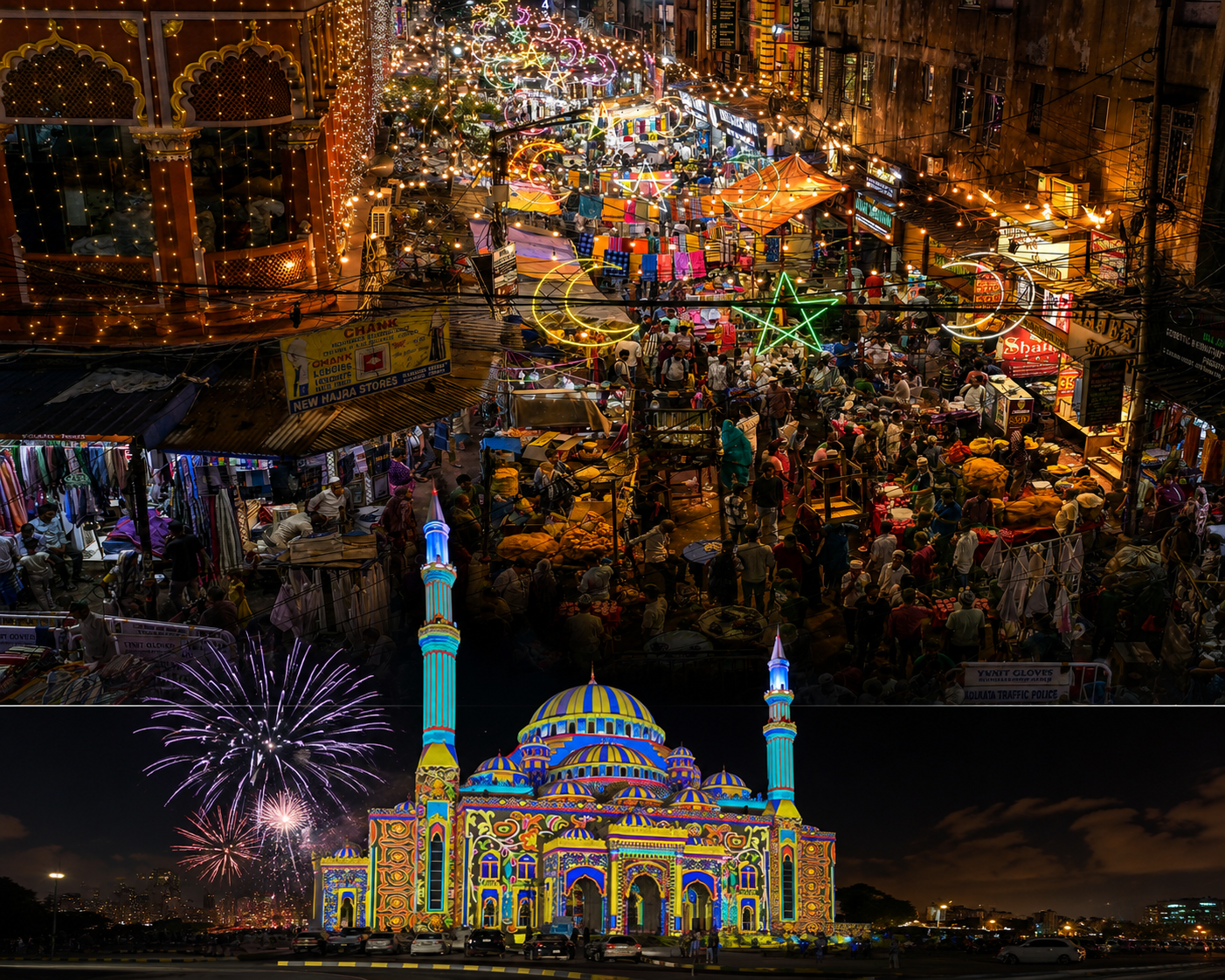
Muslim festivals in Shahjahanpur are celebrated with great devotion, cultural richness, and communal harmony, adding vibrant colors and spiritual energy to the city’s atmosphere. Festivals such as Eid-ul-Fitr, Eid-ul-Adha (Bakrid), Muharram, and Milad-un-Nabi hold deep religious significance and are observed with prayers, charity, gatherings, and traditional rituals. During Eid-ul-Fitr, which marks the end of the holy month of Ramadan, mosques and markets become beautifully decorated with lights while families gather to offer prayers, share sweets, and enjoy festive meals in traditional attire. Eid-ul-Adha symbolizes sacrifice and compassion and is celebrated through religious prayers and acts of charity. Muharram is observed with respect and spiritual remembrance through processions and gatherings honoring the sacrifice of Imam Hussain, while Milad-un-Nabi commemorates the birth of Prophet Muhammad with devotional recitations, prayers, and illuminated mosques.
Farming Lifestyle & Rural Culture
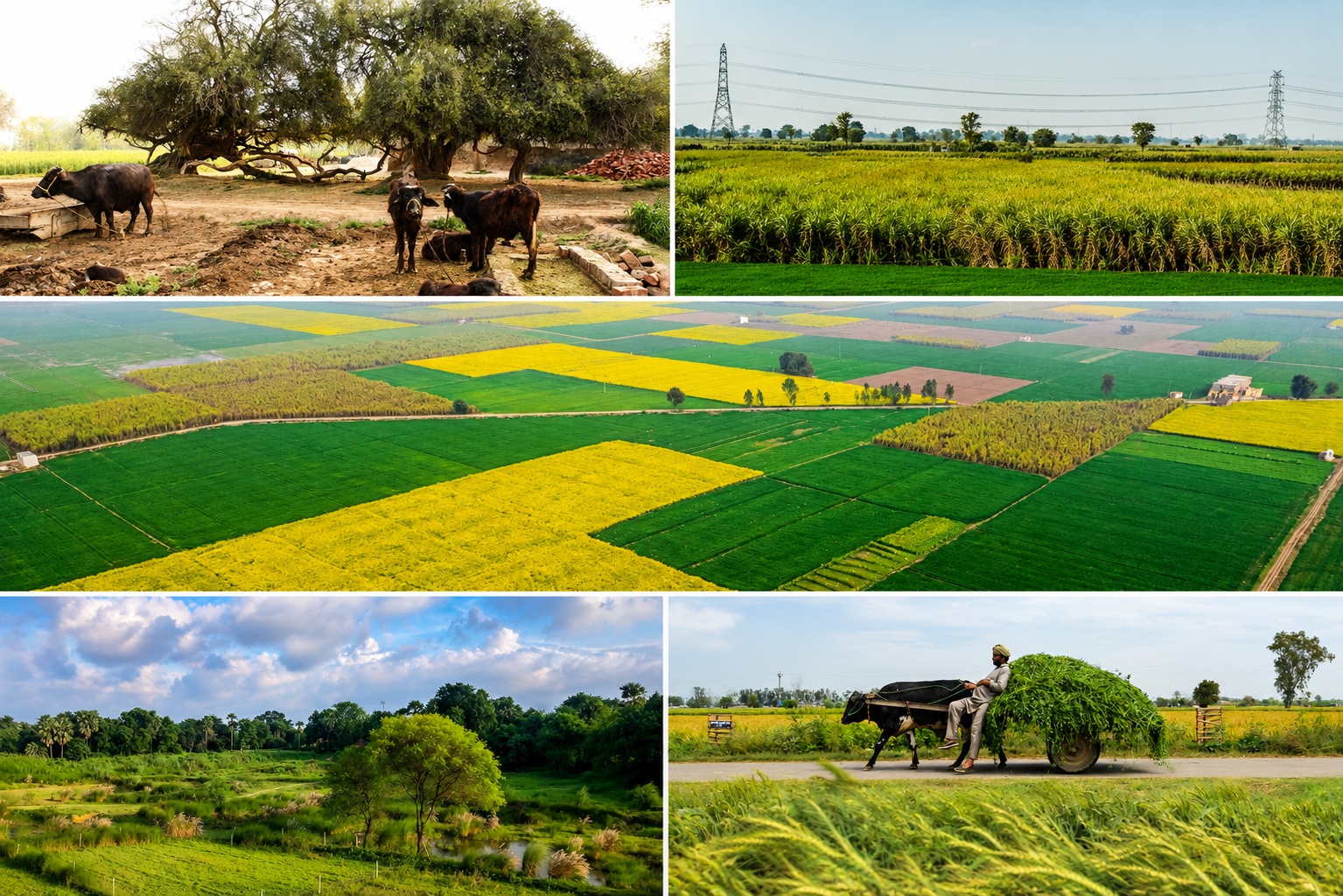
Major Crops Grown in Shahjahanpur:
The major crops grown in Shahjahanpur include wheat, sugarcane, rice, mustard, pulses, vegetables, and maize, all of which play an important role in the region’s agricultural economy and food production. Wheat and sugarcane are among the most widely cultivated crops and are considered the backbone of local farming activities. During different seasons, the farmlands surrounding the city transform into beautiful landscapes filled with golden wheat fields, lush green sugarcane plantations, bright yellow mustard flowers, and thriving rice fields. Farmers also cultivate pulses, maize, and seasonal vegetables that support local markets and daily consumption. The fertile soil, favorable climate, and strong irrigation facilities make Shahjahanpur a highly productive agricultural region where farming continues to remain deeply connected to rural traditions and the livelihood of thousands of families.
The region benefits from a well-developed irrigation network supported by canals, tube wells, seasonal rainfall, and groundwater systems, allowing farmers to cultivate crops efficiently throughout the year. In recent years, the use of modern agricultural equipment, improved seeds, fertilizers, and scientific farming methods has increased productivity while helping farmers adapt to changing agricultural demands. Local grain markets, sugar mills, and agricultural trading centers play a major role in supporting the economy and strengthening commercial activities linked to farming. Beyond its economic importance, the agricultural beauty of Shahjahanpur adds a peaceful and refreshing natural charm to the region. Long village roads passing through green fields, farmers working under dramatic skies, birds flying above open landscapes, and seasonal harvest celebrations together create a scenic atmosphere that captures the authentic spirit of rural Uttar Pradesh. Agriculture in Shahjahanpur stands as a symbol of prosperity, hard work, tradition, and the enduring relationship between nature and the people who cultivate the land with dedication and pride.
Map Overview
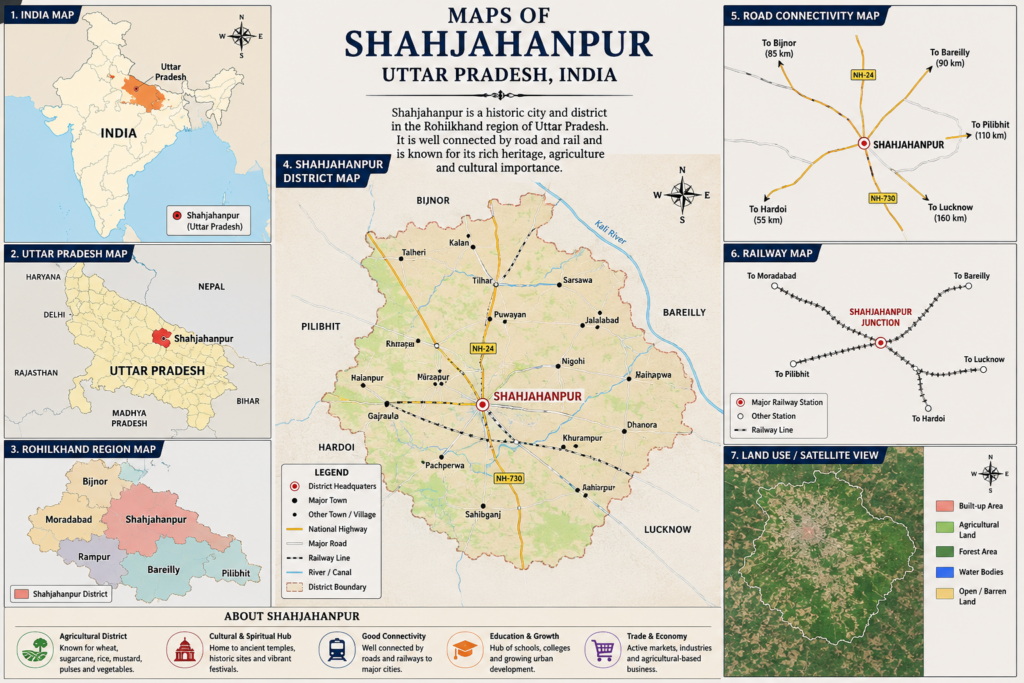
The map of Shahjahanpur highlights the city’s important geographical position in the northern Indian state of Uttar Pradesh. Located in the fertile plains of the Rohilkhand region, Shahjahanpur is well connected through major highways, railway routes, and road networks that link it to several important cities across North India. The map reflects a balanced landscape of urban areas, rural villages, green agricultural fields, rivers, canals, and historical landmarks that contribute to the district’s economic and cultural significance. It also showcases important residential zones, commercial markets, transportation hubs, temples, and farming regions that together represent the city’s rich heritage, strong agricultural base, and growing modern development. The geographical layout of Shahjahanpur symbolizes a unique blend of tradition, connectivity, spirituality, and progress, making it an important and vibrant region of Uttar Pradesh.